BLOG
What to Expect Before You Sign Off on a Sign Project
Confidence Comes From Knowing What You’re Saying Yes To
Giving the okay to move forward with a custom sign project is rarely just adding ticks to a checklist. Treating it that way usually makes things messier, not easier.
By the time a project design reaches the approval stage, a lot has already happened. Ideas have shifted and evolved. Input has come from multiple directions. Timelines are starting to look very real. Then comes the moment when someone has to step up and say, “Okay, let’s do this.”
If being the final say person gives you pause, that’s not hesitation. It’s giving a damn.
Momentum alone does not determine how solid a plan is. Clarity does. Clarity around scope, environment, expectations, and next steps. Without it, approval is just optimism disguised as a signature.
At Schlosser Signs, this early approval moment is not treated as a speed bump on the way to fabrication. It is where alignment actually happens. Getting clear here saves time later, keeps work from wobbling midstream, and prevents the kind of surprises no one enjoys explaining after the fact.
When “ready” is clearly defined, saying yes stops feeling like a leap and starts feeling like a confident, considered decision.
This month, we are walking through what to expect before you sign off, the questions worth asking, and the signals that indicate you are truly ready to move forward.
Why This Approval Is Different Than It Looks
Raise your hand if you have ever been surprised, and not in a good way, by a complication in an already complicated project. We see you. But here’s the thing. It probably did not come out of nowhere.
Living at the intersection of design, environment, engineering, permitting, fabrication, and installation, sign work is less straightforward than it may appear. Even when the visual direction feels settled, there are still practical variables underneath it. Site conditions. Visibility. Structural requirements. Local regulations. The kinds of details that do not always show up in a rendering but absolutely show up later if they are not accounted for early.
That is why this approval moment carries more weight than it might seem. You are not just approving how something looks. You are confirming that the plan behind it is sound enough to support everything that follows. When that clarity is missing, issues tend to surface midstream — when changes are harder, timelines are tighter, and options are fewer.
This is also why caution here is not an overreaction. It is often an indicator that the right questions are being asked at the right time.
What “Ready to Move Forward” Actually Looks Like
There is a noticeable difference between a confident “yes” and a rushed one.
Being ready to move forward is not about having everything figured out. It is about not being surprised by the impact of the decision later.
In well planned work, approval develops once a few core questions have solid answers.
Scope is understood.
What is included is clear. What is not included is also clear. There is shared understanding around size, placement, materials, and known constraints. No one is filling in the gaps with assumptions.
The environment has been considered.
Site conditions, visibility, access, and surrounding structures have been discussed early. Even if every variable is not finalized, there is awareness of what could influence design, fabrication, or installation down the line.
Expectations are aligned.
Timelines are realistic. Budget ranges make sense. Internal stakeholders are generally on the same page. Approval is not happening in a vacuum or as a way to “figure it out later.”
The next steps are defined.
There is clarity around what happens immediately after approval and what decisions will come next. The work has a path forward, not just a green light.
When these pieces are in place, decision making feels different. Calmer. More intentional. Less like crossing your fingers and more like a confident, definitive “we’re ready to move forward.”
At Schlosser Signs, this is the moment we look for before recommending work move forward. Not to slow things down for the sake of it, but because it allows everything ahead to unfold more smoothly once underway.
Being ready is not only about certainty. It’s about having enough insight to move forward without losing sleep over guesswork.
The Questions Worth Asking Before You Sign
Being ready to move forward doesn’t mean skipping questions. It means answering the ones that matter.
This is usually the point where things feel close enough to touch. The direction is clear. The path forward is visible. And there is still just enough room to make adjustments.
The questions that matter most at this stage are not about rehashing decisions that have already been settled. They are about pressure-testing what is in place, so approval is based on understanding rather than hope.
What assumptions are built into this plan?
Every plan has them. About site conditions, access, timelines, or sequencing. Bringing those assumptions into the open helps confirm what is solid and what still needs verification.
What could realistically change once things are underway?
Not everything can be predicted, but patterns exist. Knowing where flexibility lives and where it does not, helps teams respond without scrambling if adjustments are needed later.
What decisions are still ahead of us?
Approval is not the end of the conversation. Understanding what choices are coming next prevents new requirements from feeling sudden or unplanned.
Who else needs to be aligned before we move forward?
Most misalignment does not come from disagreement. It comes from missing voices. This is the moment to make sure the right people have weighed in before momentum builds.
For us, these questions are not seen as resistance or delay. They are part of responsible decision-making and signal that work is being set up with intention.
When approval follows this kind of conversation, it tends to hold. Not because nothing changes, but because fewer things catch people off guard.
What Often Comes After a Well-Planned Project
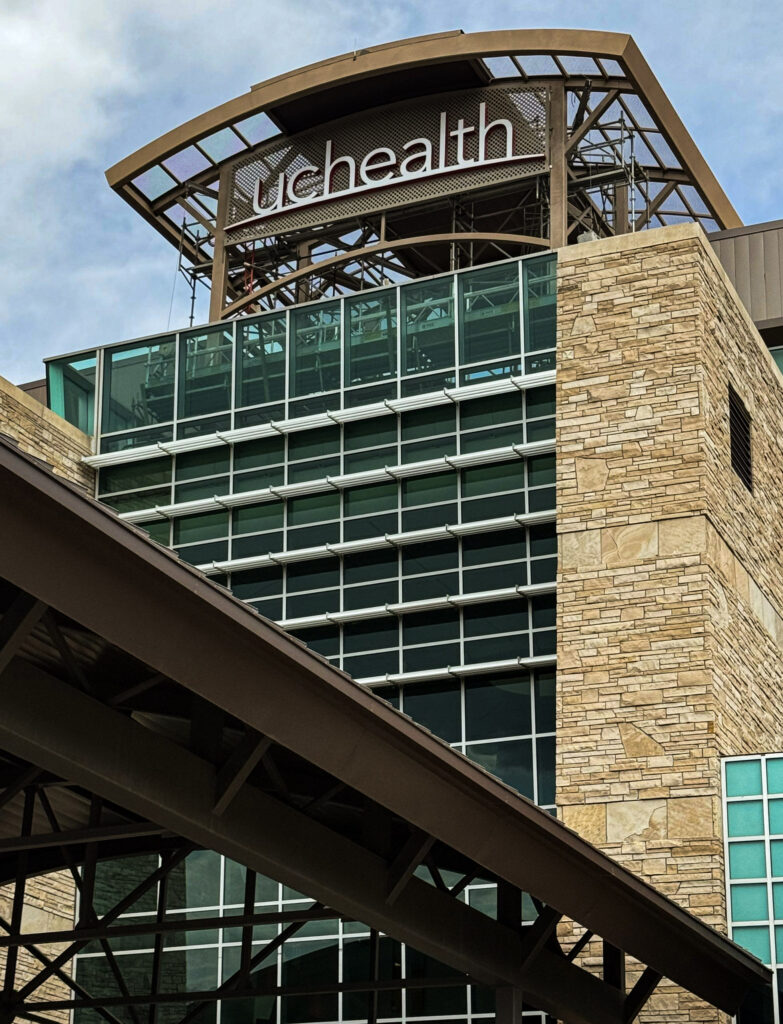
When a sign project is set up the way it should be from the start, the difference shows throughout the process.
It shows up in tangible ways. Fewer last-minute changes once work is underway. Decisions made early tend to hold. Timelines feel more realistic. Questions get answered before they turn into problems that need explaining midstream.
It also shows up in how the process unfolds day to day. Clear handoffs. Fewer “wait, what about…” moments. Less backtracking once fabrication or installation is already in motion.
And yes, there is still a moment where people step back and feel good about how it all came together. That part does not disappear. It just comes without the stress hangover. Celebration lands a little cleaner when it is not competing with relief.
That’s the real difference in effect. Not confidence that shows up after the fact, but something established before a decision was made. The kind that holds because expectations were clear from the start.
The Yes That Holds Up
Every sign project has a “yes” moment. The question is not whether it happens, but how it feels when it does.
A rushed yes relies on momentum. A confident one relies on understanding. One creates clean follow-through. The other creates messes to clean up.
That’s the standard for Schlosser Signs. Because the best projects are not the ones that move the fastest. They are the ones that make sense all the way through.
If you’re heading toward a sign project and want a clearer sense of what “ready” actually looks like, we’re always happy to talk it through.